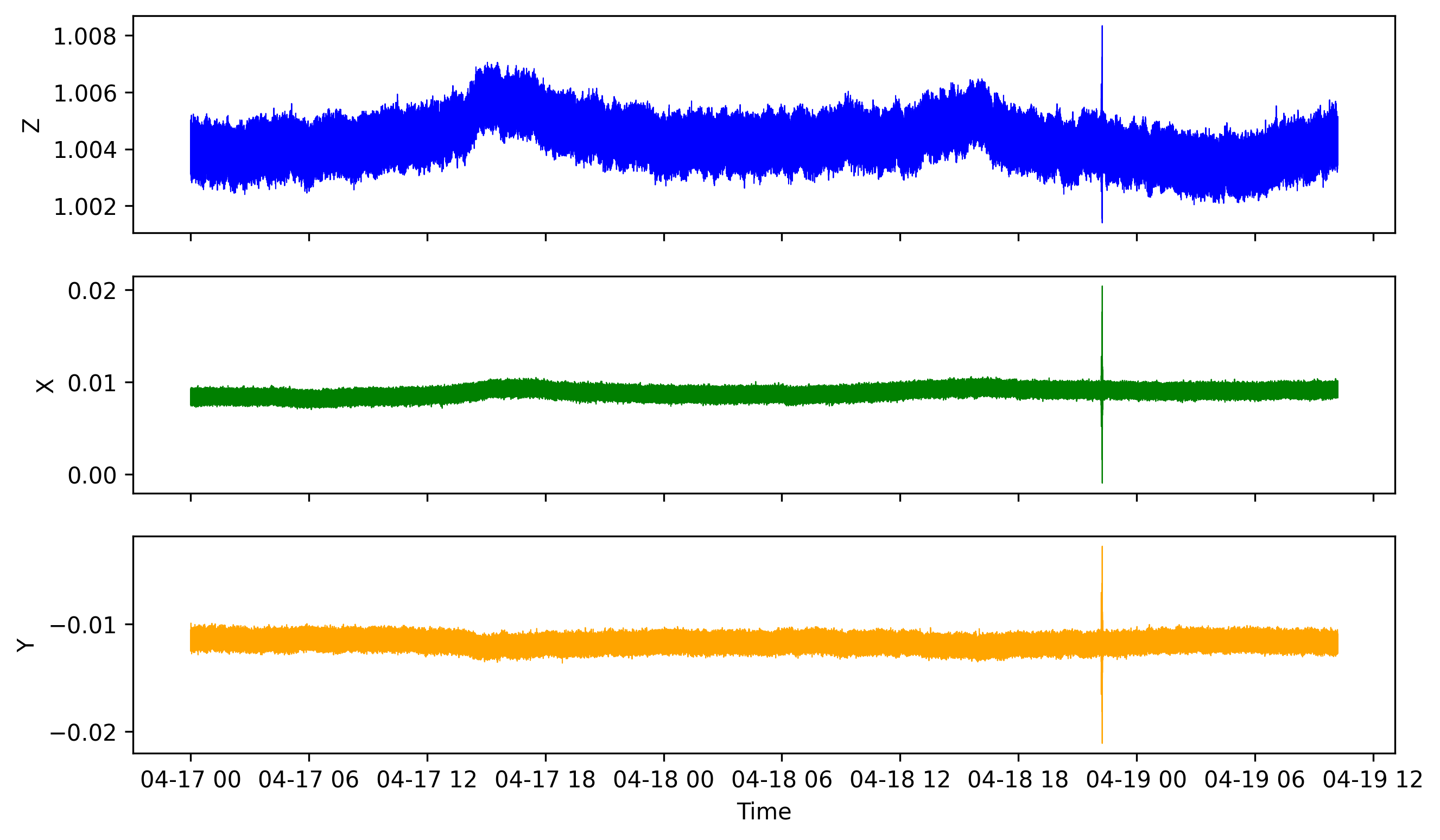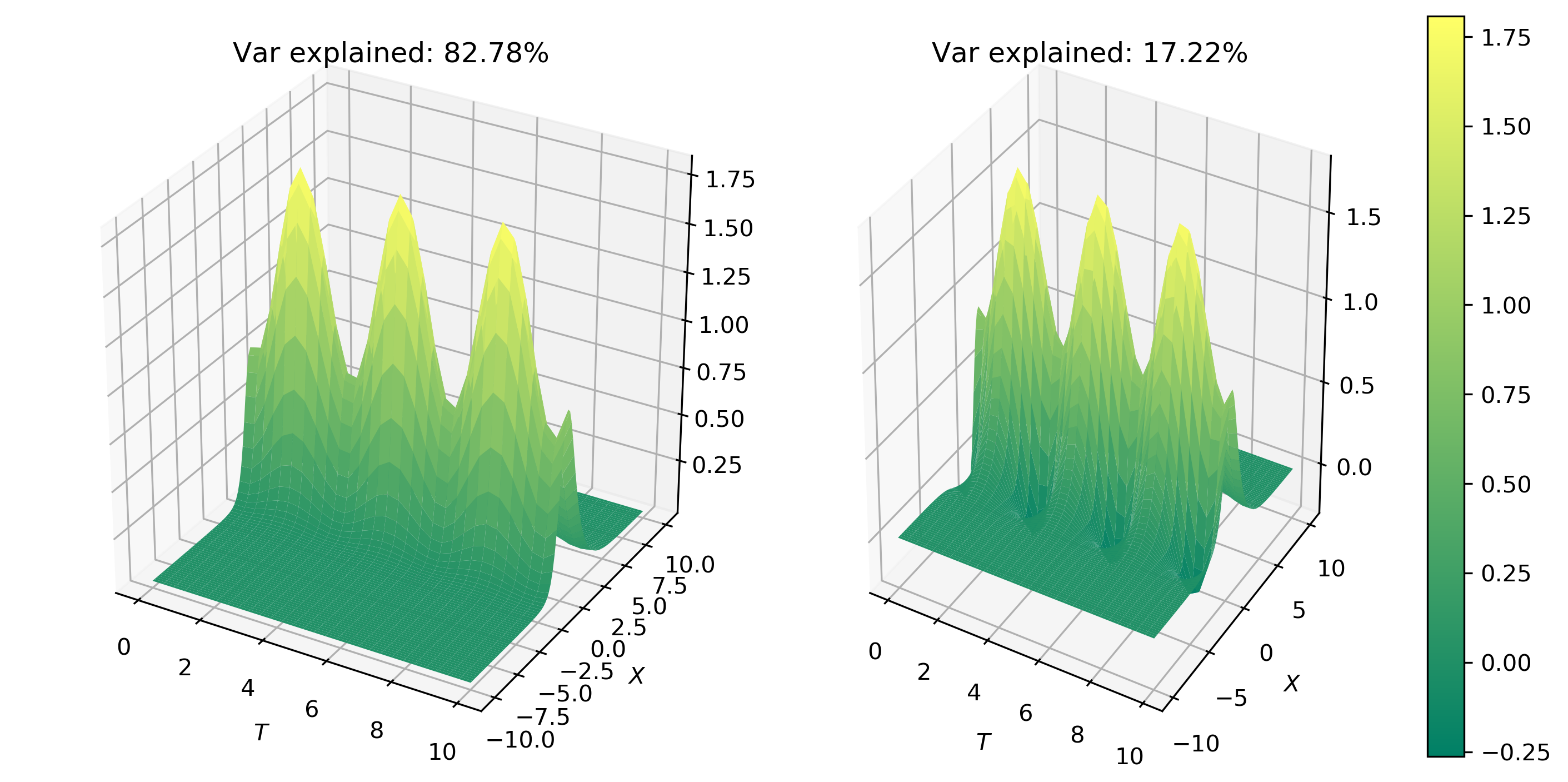
Principal Component Analysis To Decompose Signals and Reduce Dimensionality (codes included)
We will learn the basics of Fourier analysis and implement it to remove noise from the synthetic and real s...

Earth Inversion
Practical tutorials, research insights, and reproducible workflows for Earth science problems with modern coding tools.
Seismology, geophysics, and Earth-system investigations with quantitative methods.
Applied Python workflows for scientific computing, statistics, and visual analytics.
Hands-on web development patterns for publishing interactive technical work.
We will learn the basics of Fourier analysis and implement it to remove noise from the synthetic and real s...
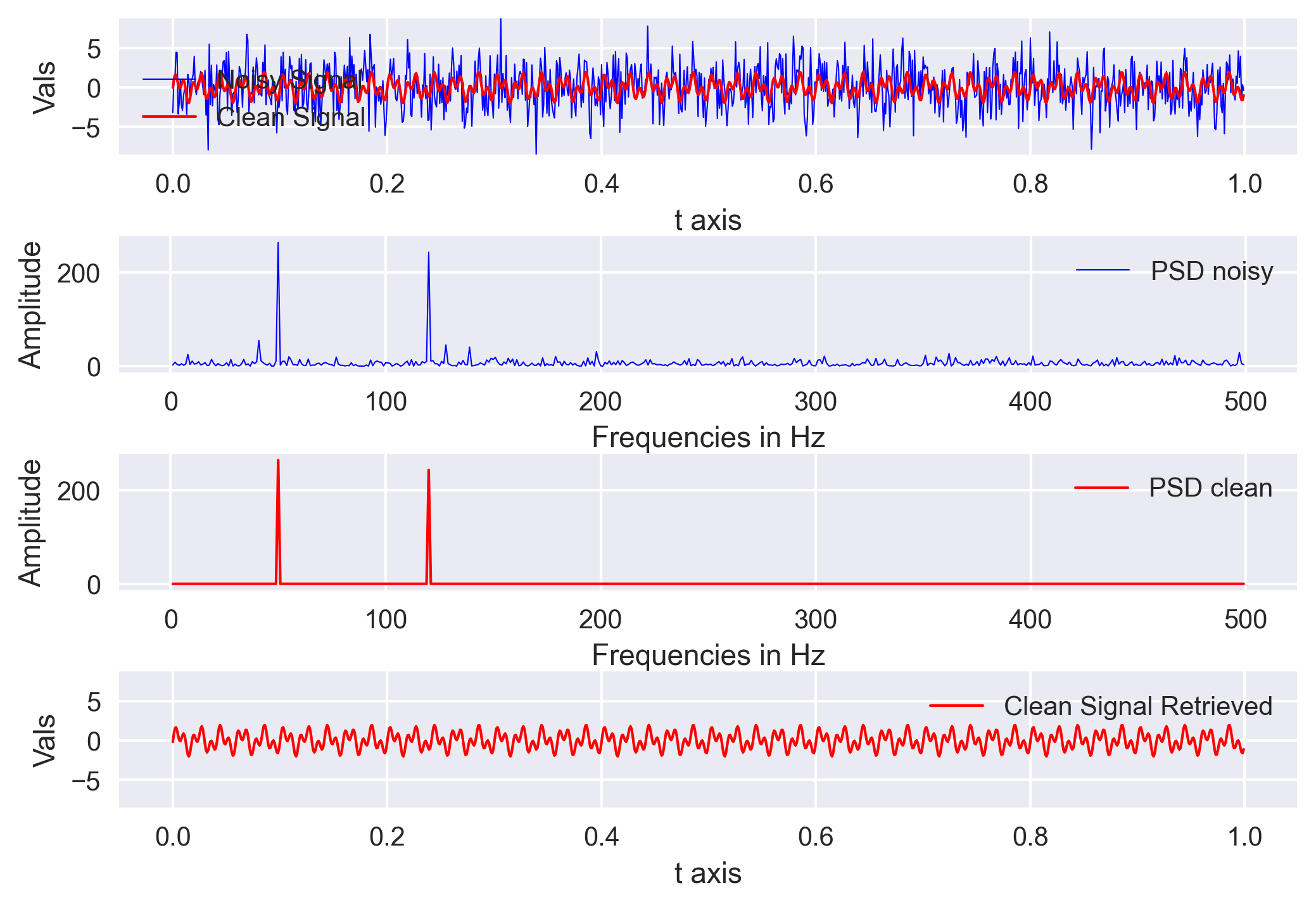
We will learn the basics of Fourier analysis and implement it to remove noise from the synthetic and real s...
Latest articles on geophysics, scientific computing, numerical methods, and applied data workflows.
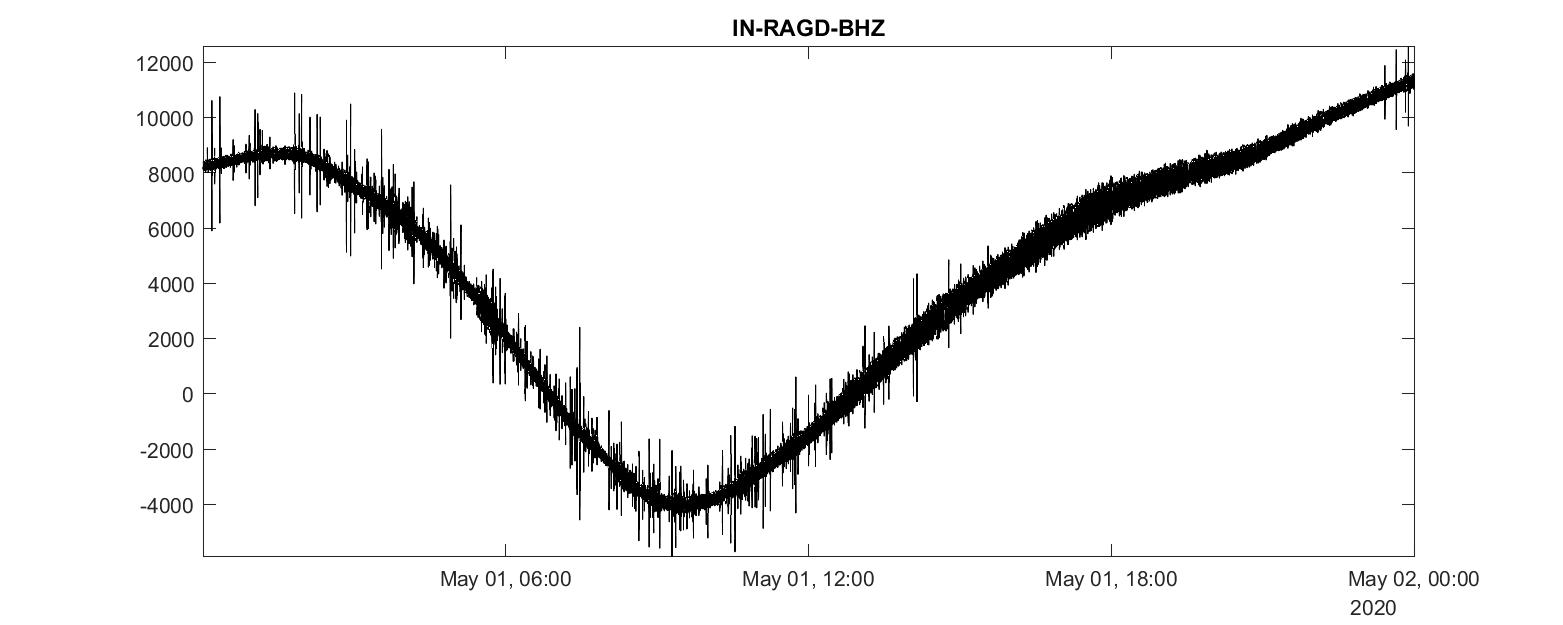
We will learn how to convert a mseed data file into mat format and then read and analyze it using MATLAB
Transfer learning using the pre-trained deep learning networks from MATLAB can be easily implemented to achieve fast and impressive results
In this introduction to the concepts of Pytorch data structures, we will learn about how to create and reshape tensors using Pytorch and compare it with the ...
We learn how to read huge csv file containing time series data by breaking it into chunks and then visualizing it with matplotlib
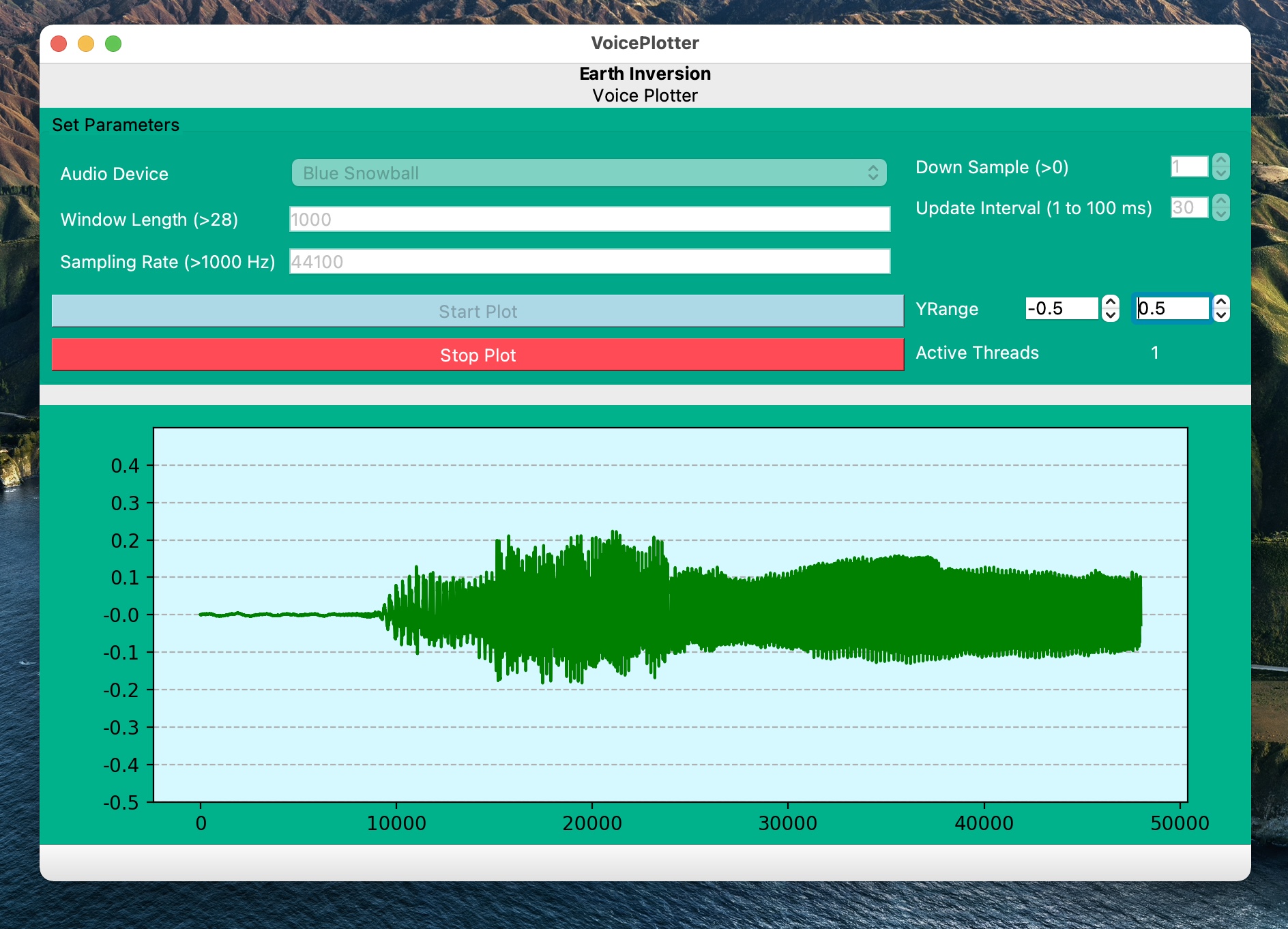
A PyQt5 application for retrieving and visualizing sound waveforms in real time. Codes included.
This tutorial gives a brief description of scientific computing using Pandas by introducing Series, DataFrame, Pandas common operations, methods, conditional...
This tutorial gives a brief description of scientific computing using numpy by introducing arrays, methods, attributes, random numbers, indexing, broadcastin...
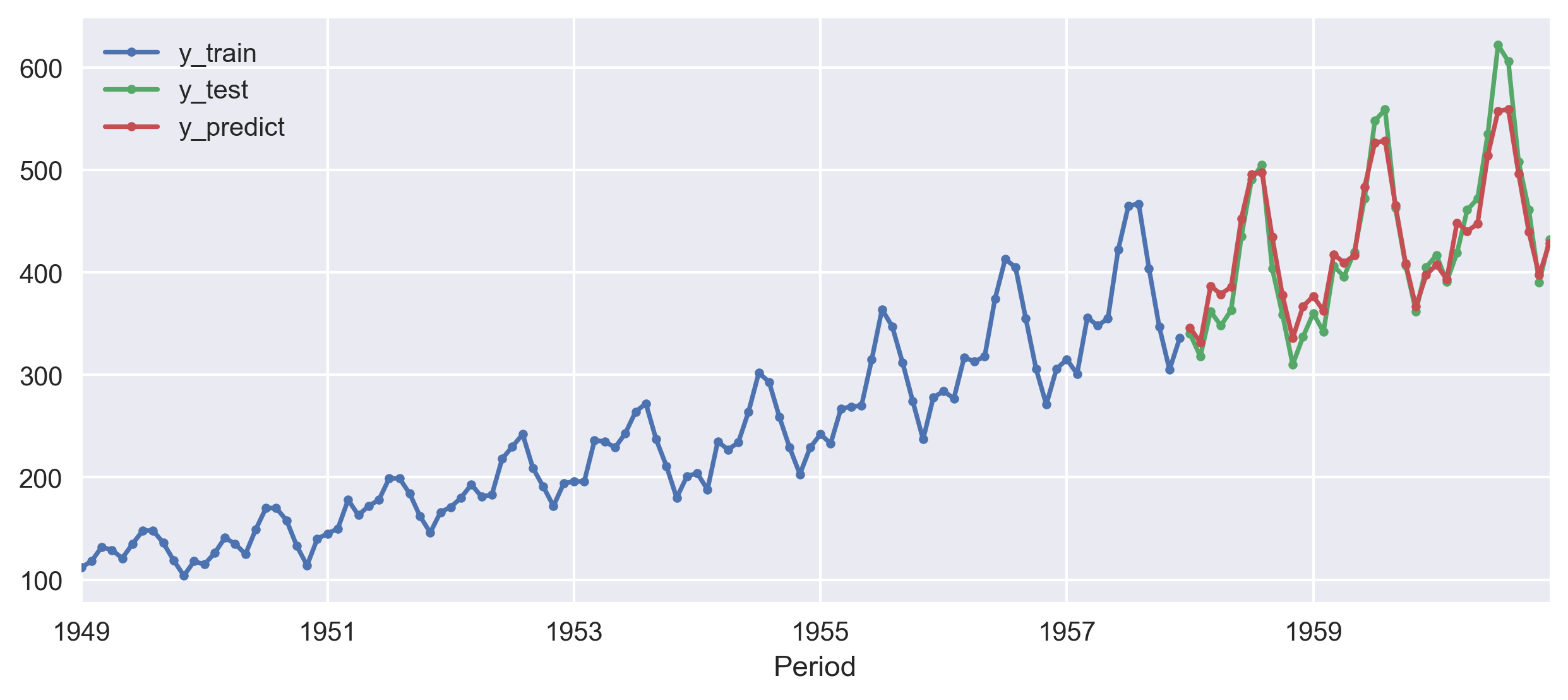
I used the sktime library to forecast the airline data using NaiveForecaster, KNeighborsRegressor, Statistical forecasters, and auto ARIMA model.
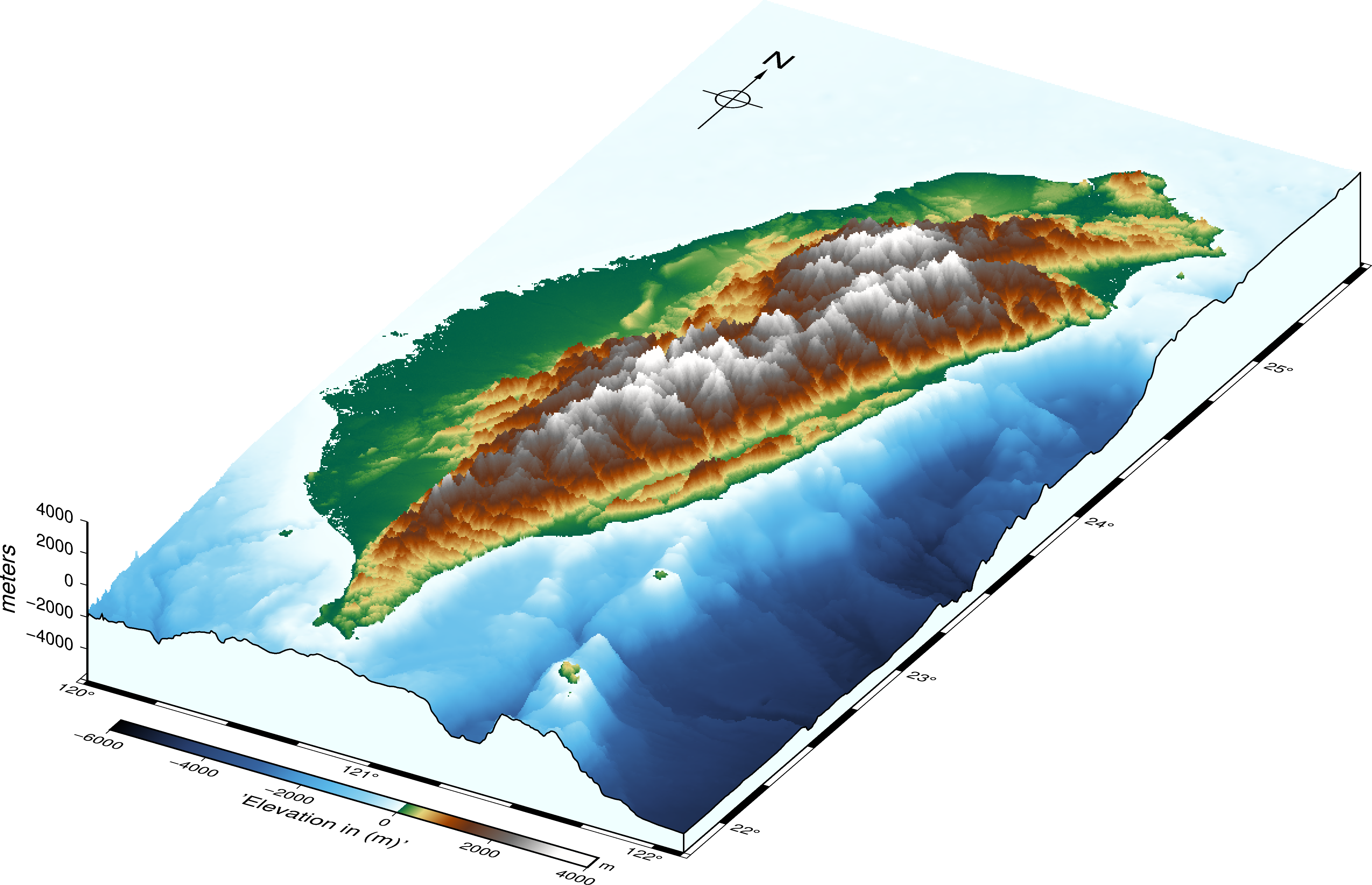
We learn how to make the three-dimensional map using both GMT and PyGMT
An introduction to the wavelet analysis for a real geophysical data set. I compared the analysis to the Fourier analysis. Codes included!
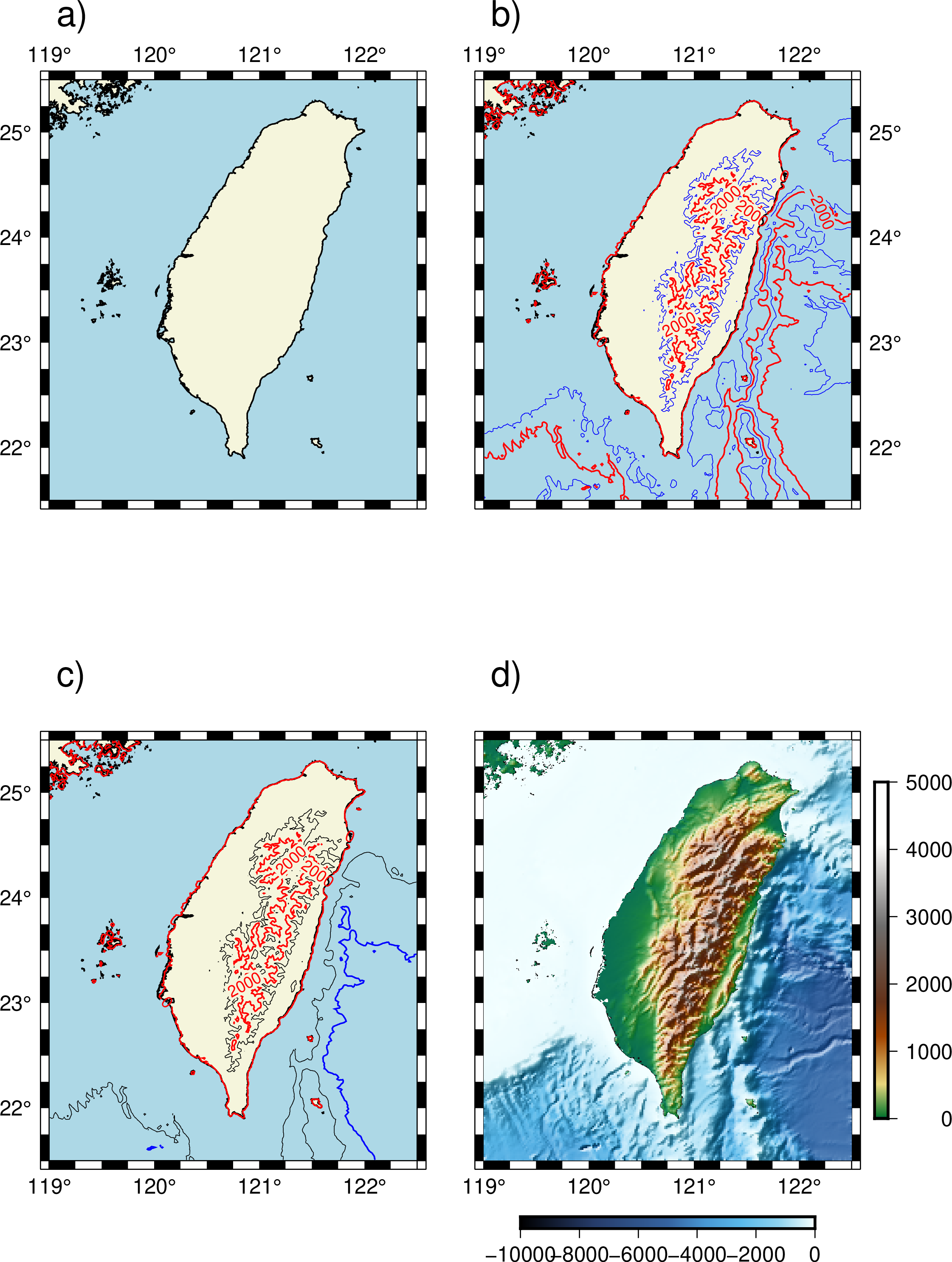
GMT or generic mapping tools have become synonymous with plotting maps in Earth, Ocean, and Planetary sciences. It can be used for processing data, generatin...
What is the fastest and most efficient way to loop in Python. We found that the numpy is fastest and python builtins are the most memory efficient.
We will learn how to convert a mseed data file into mat format and then read and analyze it using MATLAB
Transfer learning using the pre-trained deep learning networks from MATLAB can be easily implemented to achieve fast and impressive results
In this introduction to the concepts of Pytorch data structures, we will learn about how to create and reshape tensors using Pytorch and compare it with the ...
We learn how to read huge csv file containing time series data by breaking it into chunks and then visualizing it with matplotlib
A PyQt5 application for retrieving and visualizing sound waveforms in real time. Codes included.
This tutorial gives a brief description of scientific computing using Pandas by introducing Series, DataFrame, Pandas common operations, methods, conditional...
This tutorial gives a brief description of scientific computing using numpy by introducing arrays, methods, attributes, random numbers, indexing, broadcastin...
I used the sktime library to forecast the airline data using NaiveForecaster, KNeighborsRegressor, Statistical forecasters, and auto ARIMA model.
We learn how to make the three-dimensional map using both GMT and PyGMT
An introduction to the wavelet analysis for a real geophysical data set. I compared the analysis to the Fourier analysis. Codes included!
GMT or generic mapping tools have become synonymous with plotting maps in Earth, Ocean, and Planetary sciences. It can be used for processing data, generatin...
What is the fastest and most efficient way to loop in Python. We found that the numpy is fastest and python builtins are the most memory efficient.